FEATURED ARTICLES
Fast Fashion or Conscious Fashion? How Couture Brand Aksstagga Reflects a Changing Mindset in Fashion
This article explores the shift from fast fashion to conscious fashion, highlighting Aksstagga’s approach to durability, individuality, and sustainability, reflecting changing consumer preferences toward mindful, long-lasting clothing choices.
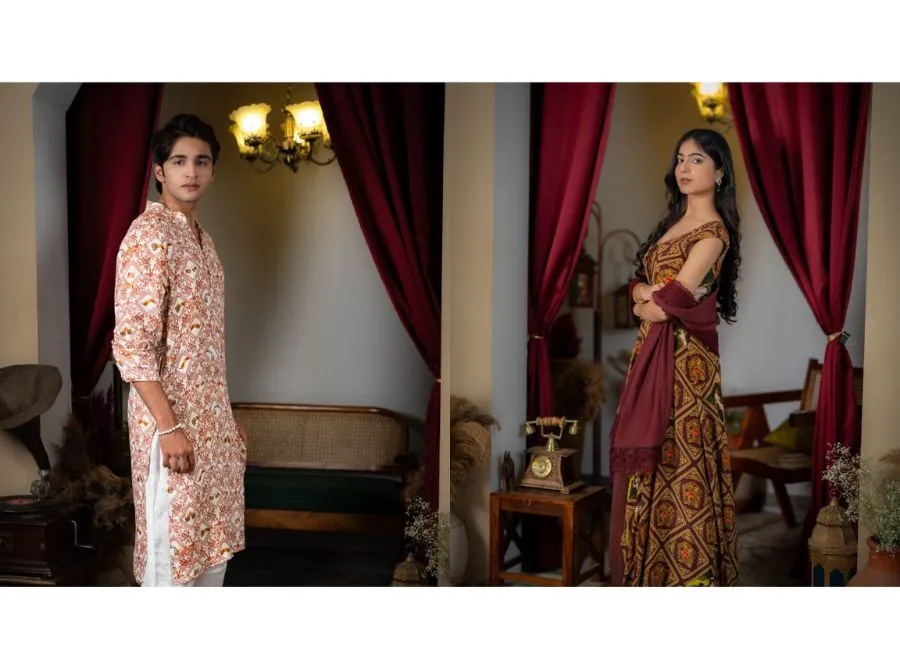
Yeh Meri Family star Sarwam Kulkarni (left) and Yeh Rishta Kya Kehlata Hai star Isha Dheerwani (right)
Walk into any mall or scroll through any fashion app today, and you’ll notice how quickly trends come and go. What feels ‘in’ this month disappears the next. New drops arrive before the old ones have even settled into wardrobes. Fashion, in many ways, has become a cycle of constant replacement.
Interestingly, perhaps as a retort to this fast-paced world, a change is coming in consumer demand. More people are beginning to question not just what they wear, but why they wear it. Do clothes need to keep up with trends, or should they keep up with the person wearing them? That’s where the conversation about fast fashion vs. conscious fashion begins.
Understanding the Two Worlds
Fast fashion, as we know it today, is a relatively recent phenomenon. Its roots can be traced back to the late 20th century, when mass manufacturing and global supply chains made it possible to replicate runway styles at scale. Brands began producing large volumes of clothing at lower costs, making fashion more accessible than ever before. According to the United Nations Environment Programme, fast fashion has doubled clothing production in the last 15 years, with people buying 60% more garments and wearing them half as long.
At its core, fast fashion is built on immediacy. It responds quickly to trends, delivers products faster, and encourages frequent buying. For many consumers, it offers variety, affordability, and the thrill of something new.
Conscious fashion, on the other hand, is less about speed and more about intention. It asks whether a garment is worth investing in, not just financially but emotionally and practically. It prioritizes longevity, comfort, and personal relevance.
Designer Anjali Singh, co-founder of couture firm Aksstagga, describes it simply, “Fast fashion gives you pleasure, but for a short period of time. Conscious fashion is the opposite; it keeps bringing you value over a much longer period.”
The Illusion of Affordability
At first glance, fast fashion appears economical. Lower prices make it easy to buy more and more often. But that is exactly what drains the bank accounts of common people. Frequent purchases add up, especially when garments are worn only a few times before being replaced.
Conscious fashion shifts the perspective. Instead of asking, 'How much does this cost today?’ it asks, 'How long will this stay with me?’ A well-made garment, worn repeatedly over the years, often ends up costing less overall than multiple short-lived pieces.
Dressing for Yourself, Not to Impress Others
One of the most subtle yet significant differences between fast and conscious fashion lies in how they reflect the wearer’s individuality. Fast fashion often demands adaptation to the garment. Trends dictate silhouettes, colours, and styles, regardless of whether they suit individual preferences or comfort. What looks good on a campaign or a celebrity may not fit everyday humans.
Conscious fashion reverses that relationship. It begins with the individual fit, comfort, and personality coming first. In conscious fashion, the attire adapts to the person, not the other way around.
This is why we often never find those with a refined sense of style following fast fashion. They choose well-made, lasting pieces instead. True elegance values quality over trends, which is why ‘wearing brands' has always been synonymous not just with status, but with craftsmanship, longevity, and thoughtful dressing.
The Environmental Cost We Miss
Having said all this, fashion is not just limited to individual and personal values; it has a much broader impact. The speed and scale of fast fashion come with environmental consequences that are hard to ignore. The United Nations estimates that the fashion industry accounts for a significant share of global carbon emissions, generating 92 million tonnes of textile waste annually.
As Anjali says plainly, “We already have mountains of waste. We don’t need to add more just because something goes out of style."
Conscious fashion, by contrast, naturally reduces this cycle. When garments are made to endure, they stay in wardrobes longer, reducing waste in a more meaningful way.
A More Conscious Way Forward
The conversation between fast and conscious fashion is not about rejecting one entirely in favour of the other. It is about understanding the differences and making more informed choices.
As Anjali puts it, “Conscious fashion is not letting down fast fashion; it is giving you insights on making the right decision.”
Fast fashion isn’t going anywhere anytime soon. It serves a purpose: accessibility, variety, and instantaneity. However, conscious fashion offers something that fast fashion often cannot: durability, a sense of stability in what we wear.
Anjali says, “Whatever you wear, you should feel happy wearing it.” And fast fashion often can’t bring it. Not because instant gratification doesn’t bring pleasure, but because its lack of personalisation and resilience often fails to create long-lasting happiness. Making the mindful choice of conscious fashion not only brings value in individual lives, but it also lets the environment breathe freely, which, in turn, makes all of our lives better in the long run. And that is where the true value of art lies.