FEATURED ARTICLES
The Supervisor Nobody Trained: Brendon Pereira on India’s Mid-Management Gap
Brendon Pereira, Co-Founder of Adevo Academy, explains why India’s hospitality and service sectors must strengthen supervisor and frontline manager training to improve retention, service consistency, and scalable growth.
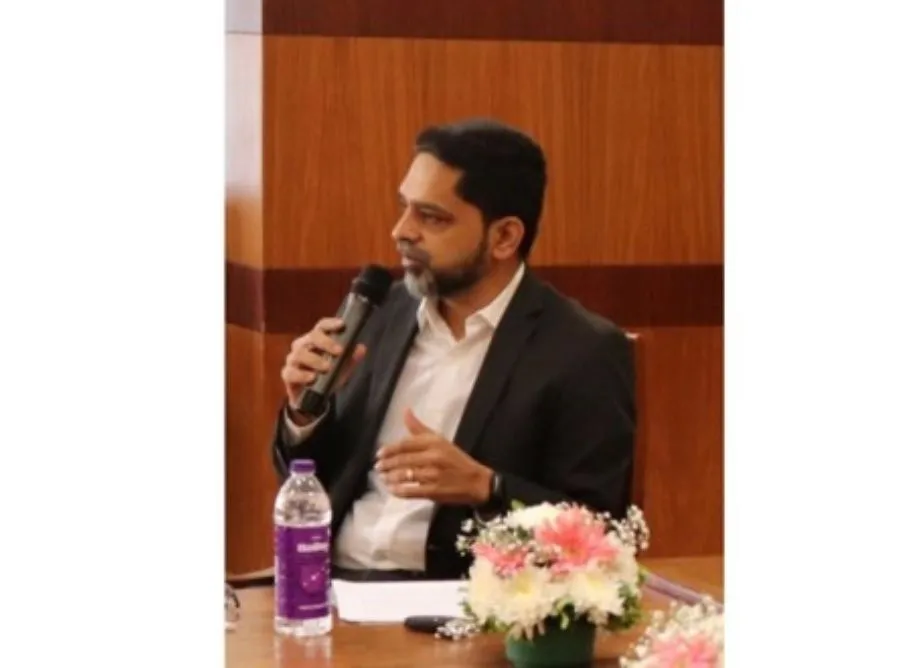
Interview with Brendon Pereira, Co-Founder, Adevo Academy
1. Could you tell us about Adevo Academy, the work you do, and what the philosophy of People, Process, and Performance means to the organization?
Brendon Pereira: Adevo, whose name is derived from the
idea of Atithi Devo Bhava,
is a Bengaluru-based organization working primarily in hospitality and other
service industries, including retail, healthcare, facilities management, and
real estate.
Our
approach is built around three pillars: people, process, and performance.
People is about developing individuals and enhancing their skills. The process
focuses on implementing standards, policies, and systems. Performance is about
connecting people’s efforts and these standardized processes to deliver
strategic business results.
We
established the organization around five years ago. We started in the online
space but have since expanded into physical academies, digital learning, and
consulting. Our work covers training, upskilling, digital services, and
consulting.
Brendon Pereira: Adevo, whose name is derived from the idea of Atithi Devo Bhava, is a Bengaluru-based organization working primarily in hospitality and other service industries, including retail, healthcare, facilities management, and real estate.
Our approach is built around three pillars: people, process, and performance. People is about developing individuals and enhancing their skills. The process focuses on implementing standards, policies, and systems. Performance is about connecting people’s efforts and these standardized processes to deliver strategic business results.
We established the organization around five years ago. We started in the online space but have since expanded into physical academies, digital learning, and consulting. Our work covers training, upskilling, digital services, and consulting.
2. You and your co-founders had spent several years in the industry before starting Adevo. What prompted you to build a training and consulting organization?
Brendon Pereira: My co-founders and I had spent around
25 to 27 years working across different industries. We were also classmates at
the Institute of Hotel Management, Bangalore, and graduated in 1995. After
working in the industry for many years, we began discussing the possibility of
doing something together and putting some of our ideas into practice.
We
found the opportunity particularly interesting because the industry was
changing rapidly. Hospitality was no longer just about standalone restaurants
and hotels. Both international and domestic brands were expanding and
consolidating.
Expansion
requires capital and a strong value proposition, but execution is equally
important. And execution depends heavily on people.
From
our experience, we could see that the industry did not have enough skilled
people joining the workforce to meet its growing requirements. There were
estimates suggesting that the industry would need around three to four million
new entrants over the following two to three years. We began thinking about how
we could contribute to addressing this gap by skilling people who wanted to
enter the industry as well as developing those already working in it. That was
the genesis of Adevo.
Brendon Pereira: My co-founders and I had spent around 25 to 27 years working across different industries. We were also classmates at the Institute of Hotel Management, Bangalore, and graduated in 1995. After working in the industry for many years, we began discussing the possibility of doing something together and putting some of our ideas into practice.
We found the opportunity particularly interesting because the industry was changing rapidly. Hospitality was no longer just about standalone restaurants and hotels. Both international and domestic brands were expanding and consolidating.
Expansion requires capital and a strong value proposition, but execution is equally important. And execution depends heavily on people.
From our experience, we could see that the industry did not have enough skilled people joining the workforce to meet its growing requirements. There were estimates suggesting that the industry would need around three to four million new entrants over the following two to three years. We began thinking about how we could contribute to addressing this gap by skilling people who wanted to enter the industry as well as developing those already working in it. That was the genesis of Adevo.
3. Many organizations focus on frontline staff training. Why is developing supervisors and frontline managers equally important?
Brendon Pereira: When we talk about supervisors, we
are not referring only to people with the title of supervisor. The focus also
extends to frontline managers.
In
a restaurant, hotel, mall, or hospital, every customer interaction is
different. Each interaction depends significantly on the person serving the
customer. Maintaining consistency across these interactions is critical. In
service terminology, these are the moments of truth because every transaction
has the potential to strengthen or weaken a brand.
There
needs to be someone overseeing these interactions, understanding different
customer requirements and responding appropriately. This becomes even more
important when an organization expands from one location to multiple units.
An
entrepreneur or general manager can oversee only so much. Once a business
starts operating across locations, maintaining the same service ethos, culture,
and consistency depends heavily on supervisors and frontline managers. They
become the first line of support in ensuring that the organization’s service
standards are followed.
Without
capable people in these roles, the service culture that an organization has
worked to build can break down. Based on our experience and conversations with
industry professionals, we believe this is one of the biggest gaps in the
sector.
Brendon Pereira: When we talk about supervisors, we are not referring only to people with the title of supervisor. The focus also extends to frontline managers.
In a restaurant, hotel, mall, or hospital, every customer interaction is different. Each interaction depends significantly on the person serving the customer. Maintaining consistency across these interactions is critical. In service terminology, these are the moments of truth because every transaction has the potential to strengthen or weaken a brand.
There needs to be someone overseeing these interactions, understanding different customer requirements and responding appropriately. This becomes even more important when an organization expands from one location to multiple units.
An entrepreneur or general manager can oversee only so much. Once a business starts operating across locations, maintaining the same service ethos, culture, and consistency depends heavily on supervisors and frontline managers. They become the first line of support in ensuring that the organization’s service standards are followed.
Without capable people in these roles, the service culture that an organization has worked to build can break down. Based on our experience and conversations with industry professionals, we believe this is one of the biggest gaps in the sector.
4. What does an undertrained supervisor cost a hotel or service business, particularly in terms of employee retention and customer experience?
Brendon Pereira: There are both direct and indirect
costs. One of the reasons employees leave an organization is the way they are
treated by their immediate supervisor or manager. Their immediate boss has a
significant influence on their working experience, performance, and career
development.
The
supervisor also acts as an important link between what the organization wants
to achieve and what is communicated to frontline employees. This role has three
important aspects: treating people well, communicating the organization’s
culture and vision, and providing employees with opportunities to grow.
If
this link is weak, it can contribute to higher attrition.
The
other major impact is on customer experience. If a supervisor or frontline
manager is unable to ensure consistent service, it affects the customer’s
experience directly. Even when an interaction does not go as planned, the
supervisor has an important role in helping the team recover the situation and
address the customer’s concern.
A
poor customer experience can travel quickly through word of mouth. This is why
supervisors play such an important role in maintaining service quality and
protecting the brand’s reputation.
Brendon Pereira: There are both direct and indirect costs. One of the reasons employees leave an organization is the way they are treated by their immediate supervisor or manager. Their immediate boss has a significant influence on their working experience, performance, and career development.
The supervisor also acts as an important link between what the organization wants to achieve and what is communicated to frontline employees. This role has three important aspects: treating people well, communicating the organization’s culture and vision, and providing employees with opportunities to grow.
If this link is weak, it can contribute to higher attrition.
The other major impact is on customer experience. If a supervisor or frontline manager is unable to ensure consistent service, it affects the customer’s experience directly. Even when an interaction does not go as planned, the supervisor has an important role in helping the team recover the situation and address the customer’s concern.
A poor customer experience can travel quickly through word of mouth. This is why supervisors play such an important role in maintaining service quality and protecting the brand’s reputation.
5. India is adding new hotel rooms and expanding its hospitality infrastructure. Is the workforce prepared to support this growth?
Brendon Pereira: The industry is not fully prepared.
This is why hospitality and other service sectors continue to face manpower
shortages.
India
has an interesting contradiction: there are many unemployed and underemployed
people, yet businesses struggle to find individuals with the technical skills
they require. One reason is the limited capacity and availability of vocational
training for young people. There is not enough training infrastructure to
prepare people for the requirements of different industries, and hospitality,
being highly people-dependent, feels this gap particularly strongly.
Looking
at the expansion plans being announced by hotels and restaurants, there is
likely to be a significant gap between workforce supply and demand. The issue
is not limited to hospitality. Other sectors, including healthcare and retail,
face similar challenges.
We
also need to recognize that not everyone wants to pursue an academic route such
as engineering or medicine. Vocational education needs greater attention so
that young people can develop practical skills and enter different industries
with the right preparation.
Brendon Pereira: The industry is not fully prepared. This is why hospitality and other service sectors continue to face manpower shortages.
India has an interesting contradiction: there are many unemployed and underemployed people, yet businesses struggle to find individuals with the technical skills they require. One reason is the limited capacity and availability of vocational training for young people. There is not enough training infrastructure to prepare people for the requirements of different industries, and hospitality, being highly people-dependent, feels this gap particularly strongly.
Looking at the expansion plans being announced by hotels and restaurants, there is likely to be a significant gap between workforce supply and demand. The issue is not limited to hospitality. Other sectors, including healthcare and retail, face similar challenges.
We also need to recognize that not everyone wants to pursue an academic route such as engineering or medicine. Vocational education needs greater attention so that young people can develop practical skills and enter different industries with the right preparation.
6. How is Adevo’s approach different from that of a conventional training company?
Brendon Pereira: We take a more holistic approach. We
follow a six-step program, beginning with an assessment of the organization’s
requirements. Every organization has different objectives, expectations, and
operational challenges. We first understand what it wants to achieve, its
current position, and the skill levels available within its workforce.
We
then examine whether the organization has clearly defined standards and
processes. If it does, we evaluate them to identify areas for improvement. If
SOPs and policies are not in place, we work on developing them. Once this
groundwork is complete, we design the training structure and curriculum. Actual
training comes later in the process.
Training
is only one part of what we do. Our work also includes needs analysis, mystery
audits, SOP development, policy structuring, and the creation of learning
content that organizations can continue using after our engagement ends.
We
also conduct train-the-trainer programs so that knowledge can be transferred
internally. Alongside this, we help organizations establish systems for
refresher training, continuous learning, and performance management.
Analyse,
standardise, create, train, measure, and refresh are the steps in the cycle we
follow.
Brendon Pereira: We take a more holistic approach. We follow a six-step program, beginning with an assessment of the organization’s requirements. Every organization has different objectives, expectations, and operational challenges. We first understand what it wants to achieve, its current position, and the skill levels available within its workforce.
We then examine whether the organization has clearly defined standards and processes. If it does, we evaluate them to identify areas for improvement. If SOPs and policies are not in place, we work on developing them. Once this groundwork is complete, we design the training structure and curriculum. Actual training comes later in the process.
Training is only one part of what we do. Our work also includes needs analysis, mystery audits, SOP development, policy structuring, and the creation of learning content that organizations can continue using after our engagement ends.
We also conduct train-the-trainer programs so that knowledge can be transferred internally. Alongside this, we help organizations establish systems for refresher training, continuous learning, and performance management.
Analyse, standardise, create, train, measure, and refresh are the steps in the cycle we follow.
7. You have worked in finance and held a CFO role. How does that background influence the way you approach training and organizational development?
Brendon Pereira: A CFO’s responsibility includes
ensuring that capital is allocated in a way that meets the organization’s
requirements. A business needs a strong value proposition that customers
believe in, but its ability to deliver that proposition profitably is what
makes the difference between a successful and an unsuccessful commercial
enterprise.
At
Adevo, we try to connect performance with strategic business outcomes.
Training, scaling, and improving efficiency should not happen for their own
sake. They should contribute to the organization’s overall performance.
This
is also where our consulting work becomes important. Along with training, we
spend considerable time on SOPs, organizational structures, and cost analysis.
In hospitality, we also work on recipe standardization and learning platforms.
My
financial background helps us look beyond the training activity itself and
understand how people development, operational efficiency, and business
performance are connected.
Brendon Pereira: A CFO’s responsibility includes ensuring that capital is allocated in a way that meets the organization’s requirements. A business needs a strong value proposition that customers believe in, but its ability to deliver that proposition profitably is what makes the difference between a successful and an unsuccessful commercial enterprise.
At Adevo, we try to connect performance with strategic business outcomes. Training, scaling, and improving efficiency should not happen for their own sake. They should contribute to the organization’s overall performance.
This is also where our consulting work becomes important. Along with training, we spend considerable time on SOPs, organizational structures, and cost analysis. In hospitality, we also work on recipe standardization and learning platforms.
My financial background helps us look beyond the training activity itself and understand how people development, operational efficiency, and business performance are connected.
8. Could you share examples of organizations? Adevo has worked with and the kind of changes or improvements supported through these engagements?
Brendon Pereira: We work with a wide range of clients
across different sectors.
One
of the organizations we have worked with is Bangalore Airport. Our engagement
with them began with SOPs, and we have continued working with them for around
three years. Our work has since extended to HR policies and supporting the
restructuring of their services vertical.
We
also work with large national chains, where we have introduced performance
measurement matrices to support organizational growth. Several organizations
have recognized the need to develop their own teams from within, but this
requires a clear structure.
For
three or four large national chains, we have worked on Career progression
programs that include performance measurement matrices and indices that define
the key results and performance indicators required at different levels. These
frameworks help establish the skills employees need to progress in their
careers, how those skills can be assessed, and what training is required to
address gaps.
For
example, an employee joining at entry level should have a defined career path
over the next two, three, or five years. The organization needs to understand
what skills are required at each stage and how employees can develop them.
We
have also worked with Toit Group in Bengaluru on service training, cost
improvement, and menu standardization to support its expansion. One of our
earlier clients was General Mills, for whom we developed multilingual content
that chefs could use to train customers across the country.
Overall,
we have worked with around 60 to 70 clients across restaurants, hotels,
healthcare, retail, and corporate real estate.
Brendon Pereira: We work with a wide range of clients across different sectors.
One of the organizations we have worked with is Bangalore Airport. Our engagement with them began with SOPs, and we have continued working with them for around three years. Our work has since extended to HR policies and supporting the restructuring of their services vertical.
We also work with large national chains, where we have introduced performance measurement matrices to support organizational growth. Several organizations have recognized the need to develop their own teams from within, but this requires a clear structure.
For three or four large national chains, we have worked on Career progression programs that include performance measurement matrices and indices that define the key results and performance indicators required at different levels. These frameworks help establish the skills employees need to progress in their careers, how those skills can be assessed, and what training is required to address gaps.
For example, an employee joining at entry level should have a defined career path over the next two, three, or five years. The organization needs to understand what skills are required at each stage and how employees can develop them.
We have also worked with Toit Group in Bengaluru on service training, cost improvement, and menu standardization to support its expansion. One of our earlier clients was General Mills, for whom we developed multilingual content that chefs could use to train customers across the country.
Overall, we have worked with around 60 to 70 clients across restaurants, hotels, healthcare, retail, and corporate real estate.
9. What does a typical supervisory or frontline management program at Adevo involve? How long does it last, and how do you assess participants’ progress?
Brendon Pereira: Our supervisory and frontline
management programs are generally structured over six months.
We
begin with a needs analysis to understand the current capabilities of the
people participating in the program. We benchmark their skills against what the
organization requires to achieve its business objectives and identify the gaps
that need to be addressed.
We
also look ahead. An organization may need additional resources over the next
twelve or eighteen months because of expansion, attrition, or the need to
create career opportunities for existing employees. This helps us design a
program that addresses both current requirements and future needs.
The
program combines direct interventions with cross-departmental exposure,
self-learning content, and practical projects. Participants gain an
understanding of the customer experience from different departmental
perspectives. We also conduct monthly evaluations to assess their progress and
provide one-to-one mentoring when individuals need additional guidance.
Broadly,
the program covers three important areas.
The
first is communication. In hospitality and service businesses, communication is
essential, whether verbal, non-verbal, or written. Supervisors need to
communicate effectively with their teams, colleagues, customers, and managers.
They should also be able to put forward a proposal or explain a requirement in
a way that makes sense from both a service and commercial perspective.
The
second area is commercial understanding. We help participants understand the
fundamentals of business, including cost, expenses, revenue, and profit, and
how these elements influence one another. We begin by relating these concepts
to their own departments and roles before helping them understand the wider
organization.
The
third area covers team management, leadership, and delegation. Many supervisors
and frontline managers have grown through the operational ranks. They are
accustomed to doing the work themselves. As they move into leadership roles,
they need to shift from being doers to enabling others to perform.
An
important principle here is that delegation is not abdication. A manager cannot
simply tell people what to do and walk away. They must ensure that employees
have the ability and support to complete the work, along with a system to
review whether it has been done.
Typically,
these programs are designed for employees with around five or six years of
organizational experience. They already understand the technical aspects of
their jobs; our role is to help them develop the leadership and managerial
capabilities required for the next stage of their careers.
The
formal intervention generally takes place over two days a week, with two hours
of sessions each day. Participants also spend additional time on
cross-departmental learning and projects.
Brendon Pereira: Our supervisory and frontline management programs are generally structured over six months.
We begin with a needs analysis to understand the current capabilities of the people participating in the program. We benchmark their skills against what the organization requires to achieve its business objectives and identify the gaps that need to be addressed.
We also look ahead. An organization may need additional resources over the next twelve or eighteen months because of expansion, attrition, or the need to create career opportunities for existing employees. This helps us design a program that addresses both current requirements and future needs.
The program combines direct interventions with cross-departmental exposure, self-learning content, and practical projects. Participants gain an understanding of the customer experience from different departmental perspectives. We also conduct monthly evaluations to assess their progress and provide one-to-one mentoring when individuals need additional guidance.
Broadly, the program covers three important areas.
The first is communication. In hospitality and service businesses, communication is essential, whether verbal, non-verbal, or written. Supervisors need to communicate effectively with their teams, colleagues, customers, and managers. They should also be able to put forward a proposal or explain a requirement in a way that makes sense from both a service and commercial perspective.
The second area is commercial understanding. We help participants understand the fundamentals of business, including cost, expenses, revenue, and profit, and how these elements influence one another. We begin by relating these concepts to their own departments and roles before helping them understand the wider organization.
The third area covers team management, leadership, and delegation. Many supervisors and frontline managers have grown through the operational ranks. They are accustomed to doing the work themselves. As they move into leadership roles, they need to shift from being doers to enabling others to perform.
An important principle here is that delegation is not abdication. A manager cannot simply tell people what to do and walk away. They must ensure that employees have the ability and support to complete the work, along with a system to review whether it has been done.
Typically, these programs are designed for employees with around five or six years of organizational experience. They already understand the technical aspects of their jobs; our role is to help them develop the leadership and managerial capabilities required for the next stage of their careers.
The formal intervention generally takes place over two days a week, with two hours of sessions each day. Participants also spend additional time on cross-departmental learning and projects.
10. Hospitality businesses often struggle with high employee attrition. Can better supervisor training solve this problem?
Brendon Pereira: Supervisor training is one part of
the solution, but it cannot solve the entire problem on its own. Attrition has
several causes.
At
a fundamental level, there is a supply-and-demand issue. When the demand for
skilled people is much higher than the available supply, organizations compete
for the same employees. This can contribute to high attrition.
However,
organizations can also improve the way they look after and develop their
people. When someone joins an organization, basic requirements matter. They
need to be treated well, receive their salary on time, and have a good working
environment.
Once
they become more settled, their expectations may change. They look for
opportunities to grow, take on challenging work, and progress in their careers.
Organizations
that understand these changing needs are better placed to retain employees.
Remuneration is important, but it is not the only factor that influences
whether someone stays with an organization.
As
long as the gap between workforce demand and supply remains significant,
attrition will continue to be a challenge. Better supervision and employee
development can help organizations address some of the internal factors
contributing to it.
Brendon Pereira: Supervisor training is one part of the solution, but it cannot solve the entire problem on its own. Attrition has several causes.
At a fundamental level, there is a supply-and-demand issue. When the demand for skilled people is much higher than the available supply, organizations compete for the same employees. This can contribute to high attrition.
However, organizations can also improve the way they look after and develop their people. When someone joins an organization, basic requirements matter. They need to be treated well, receive their salary on time, and have a good working environment.
Once they become more settled, their expectations may change. They look for opportunities to grow, take on challenging work, and progress in their careers.
Organizations that understand these changing needs are better placed to retain employees. Remuneration is important, but it is not the only factor that influences whether someone stays with an organization.
As long as the gap between workforce demand and supply remains significant, attrition will continue to be a challenge. Better supervision and employee development can help organizations address some of the internal factors contributing to it.
11. What would you say to hotel owners and general managers who still view investment in mid-management training as an additional cost?
Brendon Pereira: A lack of capable middle management
is a major barrier to scaling a business.
When
someone is running a single unit, they may be able to manage everything
themselves. They may handle customer complaints, troubleshoot operational
issues, and oversee day-to-day activities. But when they want to expand to
multiple locations, this approach becomes difficult to sustain.
If
the organization has not developed a pipeline of people who can manage daily
operations, the business can start breaking down as it grows.
Whatever
an owner believes they are saving by not investing in people development may
cost them much more when they begin expanding. It is also a question of
opportunity cost. How much of the owner’s or general manager’s time is being
spent on daily operations instead of strategic initiatives?
If
capable managers can take responsibility for day-to-day activities, business
leaders have more time to focus on growth and long-term priorities. That
difference eventually reflects in the business.
Brendon Pereira: A lack of capable middle management is a major barrier to scaling a business.
When someone is running a single unit, they may be able to manage everything themselves. They may handle customer complaints, troubleshoot operational issues, and oversee day-to-day activities. But when they want to expand to multiple locations, this approach becomes difficult to sustain.
If the organization has not developed a pipeline of people who can manage daily operations, the business can start breaking down as it grows.
Whatever an owner believes they are saving by not investing in people development may cost them much more when they begin expanding. It is also a question of opportunity cost. How much of the owner’s or general manager’s time is being spent on daily operations instead of strategic initiatives?
If capable managers can take responsibility for day-to-day activities, business leaders have more time to focus on growth and long-term priorities. That difference eventually reflects in the business.
12. Where do you see Adevo Academy heading over the next few years?
Brendon Pereira: Hospitality and other service
industries are highly dependent on people. We therefore see opportunities to
expand our physical training centers into other cities while also growing our
digital presence.
We also see a gap in competent trainers being available, so we are
working on a program to impart necessary skills to trainers, which can be
supplemented by our training methodology and content.
We
already do considerable work through our learning management system and digital
content. With AI becoming an important development, we are also working on
AI-based tools that could help us scale training and enable organizations to
create training structures more quickly.
These
tools are currently under development. Our focus over the next few years will
be on expanding both our physical presence and our digital capabilities.
Brendon Pereira: Hospitality and other service
industries are highly dependent on people. We therefore see opportunities to
expand our physical training centers into other cities while also growing our
digital presence.
We also see a gap in competent trainers being available, so we are
working on a program to impart necessary skills to trainers, which can be
supplemented by our training methodology and content.
We already do considerable work through our learning management system and digital content. With AI becoming an important development, we are also working on AI-based tools that could help us scale training and enable organizations to create training structures more quickly.
These tools are currently under development. Our focus over the next few years will be on expanding both our physical presence and our digital capabilities.