FEATURED ARTICLES
The Professionalisation of India's Skilled Service Workforce: Raising Standards Through Training
India’s skilled service workforce is becoming more professional through structured training, technology and standardisation, helping improve consumer trust, service quality and long-term opportunities for practitioners.
The Professionalisation of India's Skilled Service Workforce: Raising Standards Through Training
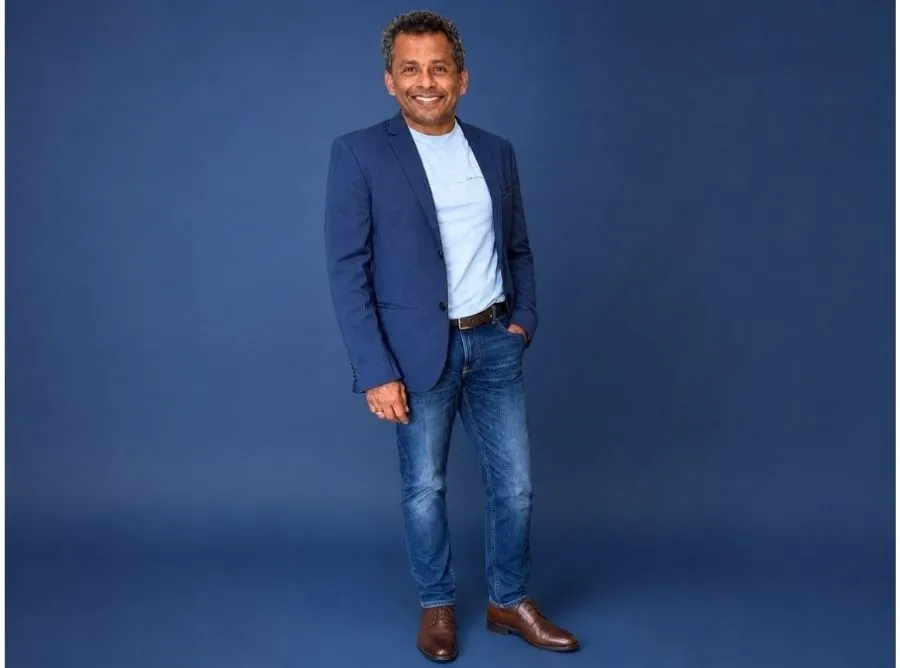
By Sajan Mathew, Founder and Childlike, mySunar
A young mother in Bangalore books an at-home ear piercing for her child. A Sunar practitioner gets an intimation on the Sunar app. He arrives with sterilised earrings and sanitised equipment, follows a documented safety protocol during the procedure and completes the appointment with ease and happiness for the parent.
Thereafter, there are four weeks of aftercare guidance over WhatsApp and doctor-on-board. A few years ago (before mySunar), the same service would have been performed by a neighbourhood goldsmith with no standardised process and no follow-up.
That contrast captures a larger transformation unfolding across India’s service economy. Professions that have traditionally relied on hands-on skill, word-of-mouth and the ability to get the job done simply are now adapting to a more professional, technology-enabled environment. While technical expertise may be deeply rooted, the early adoption of technology and the development of soft skills have often lagged. Today, standardised processes and digital quality controls are helping bridge this gap. Consumer trust, once built largely on personal familiarity, is increasingly becoming something that can be measured and consistently delivered.
The Trust Gap in Informal Services
India's informal service sector is enormous, spanning beauty and wellness, home maintenance, healthcare support, traditional crafts and other trades. Hundreds of millions of workers power this economy, many highly skilled. Yet for consumers, a persistent problem remains: there is no reliable way to assess quality before hiring someone.
The gap cuts both ways. Consumers take a chance every time they engage an unfamiliar practitioner. Skilled professionals, no matter how experienced, struggle to stand out without formal credentials. Earnings stay flat. Career growth stalls. The absence of standards penalises the best performers most.
The government has moved to address this. The Skill India Mission, now in its eleventh year, has trained over 1.6 crore candidates. Sector Skill Councils have built National Occupational Standards across beauty, wellness, healthcare and other industries. These frameworks are valuable. But policy alone does not change what happens at the point of service.
That is where enterprise-led professionalisation enters the picture.
When Heritage Meets Process
India's artisan communities hold deep reservoirs of skill. Goldsmiths, weavers, traditional piercers and other craftspeople have refined their trades over generations. The expertise is real. What has been missing is consistency. Skill without standardisation produces individual excellence, not systemic reliability.
Building that consistency requires more than a training certificate. It calls for documented procedures, ongoing skill development, hygiene and safety protocols, and a culture of accountability across every interaction.
This evolution is visible across multiple sectors. Home healthcare providers are adopting clinical protocols. Beauty and wellness platforms require practitioner certification before onboarding. Skilled artisans are building formal training frameworks to preserve craft quality at scale.
One compelling example of this shift is mySunar, a platform rooted in the Sunar goldsmith community that has professionalised the traditional craft of ear piercing. Karnavedha is deeply embedded in Indian culture, but has historically lacked any formal quality framework. mySunar addressed that with a detailed Standard Operating Procedure Manual, training every practitioner in clinical hygiene, sterilisation and customer communication. Practitioners are selected not just for piercing expertise but for temperament and the ability to put young families at ease.
The result is a service that feels both culturally rooted and professionally delivered. When consumers can predict the quality of an experience before it happens, trust becomes institutional rather than personal.
Scaling Quality Through Technology
Structured training creates a baseline. Technology is what makes it scalable.
Digital platforms allow providers to standardise bookings, maintain transparent pricing, track performance and collect feedback in real time. For the practitioner, these tools replace guesswork with process. For the consumer, they create visibility and accountability.
The feedback mechanism provides a measure of customer satisfaction. It creates a continuous quality-control loop that can identify what is working and reinforce good practices. MySunar captures customer responses through a structured dashboard that tracks overall ratings as well as specific service parameters such as comfort of the earrings, hygiene followed, personal conduct and time discipline. Additionally, mySunar has translated the Sunar SOP into a digital workflow that enables each stage of an appointment to be recorded and monitored.
This is evident in how mySunar operates. The platform manages scheduling, pairs customers with trained Sunars, and delivers structured aftercare over WhatsApp for weeks post-service. Feedback loops feed into training updates, so the system learns from every interaction.
The pattern extends across industries. The market is moving from informal reputation toward verifiable, platform-backed quality.
What Practitioners Stand to Gain
The conversation around professionalisation often centres on the consumer. But the impact on practitioners is equally significant.
A trained, certified professional commands better fees. They earn repeat business. They build a trackable reputation that opens doors to new customers and career growth. Where income has been unpredictable, these are meaningful gains.
For communities with deep craft traditions, the stakes go further. Professionalisation does not just provide a livelihood. It creates dignity through structure. It tells the next generation that their inherited expertise has a future, not just a past.
This dual impact is visible in mySunar's engagement with the Sunar community. By offering structured instructions and a technology-backed platform, the organisation gives traditional artisans a path to build sustainable careers around their craft.
The Direction Is Set
India's skilled service workforce is at a turning point. Consumer expectations are rising. Government infrastructure for skill development is maturing. And a growing number of enterprises are proving that professionalisation works, not just as a social good but as a sound business model.
mySunar is one such enterprise leading by example, demonstrating that tradition and professional excellence can coexist. By investing in practitioner training, clinical-grade safety standards and a technology-first approach to service delivery, mySunar is setting a benchmark for how India's skilled service sectors can evolve. To know more about their approach, visit mysunar.com.
India's next service economy will compete not on affordability alone, but on consistency and the assurance that every practitioner meets a standard worth trusting.