FEATURED ARTICLES
Building a Musical Identity Across Borders: Rythum Shastri's Journey in the United States
From Indian classical traditions to Hollywood’s audio engineering environment, the Los Angeles-based vocalist is developing a career that brings together musical heritage, technical expertise, and international performance experience.
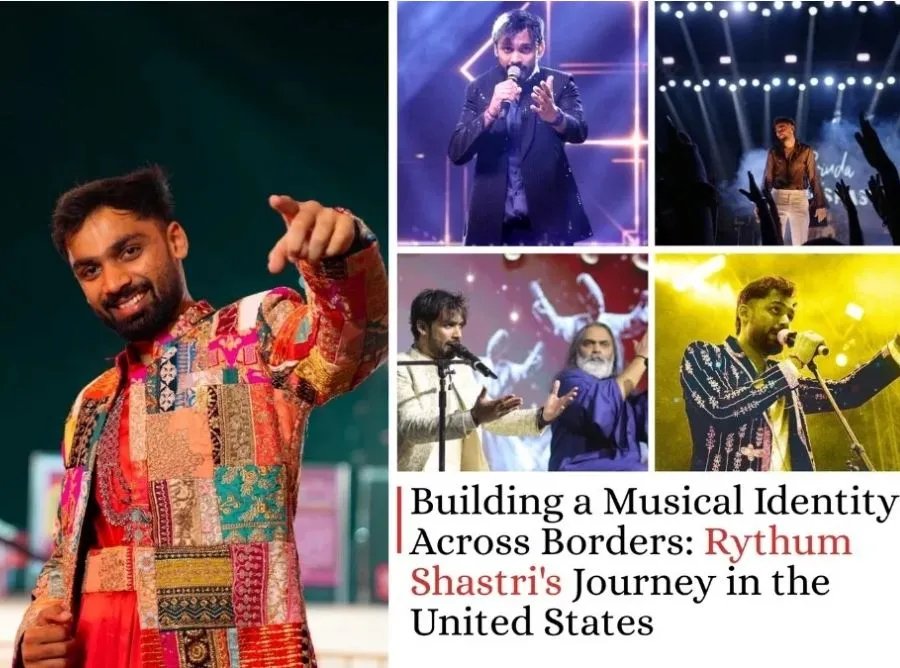
Building a Musical Identity Across Borders: Rythum Shastri's Journey in the United States
Building a career in music often involves more than finding an audience. For artists working across countries and cultures, it also requires understanding how to preserve their artistic identity while adapting to unfamiliar creative environments. Indian vocalist and audio engineer Rythum Shastri has been navigating that balance as he develops his professional career in the United States.
Originally from Surat, Gujarat, Shastri comes from a musical background rooted in Indian classical traditions. His artistic journey has taken him from the cultural environment of India to Los Angeles, where he has pursued opportunities in performance, sound engineering, and music production.
Rather than limiting himself to a single musical discipline, Shastri has worked to develop an identity that combines the traditional foundations of Indian music with the technical and professional demands of the contemporary entertainment industry.
A Foundation Built on Musical Tradition
Growing up in a musical environment, Shastri was introduced to Indian classical music and its emphasis on disciplined training, melodic expression, and improvisation.
His father, Bhavin Shastri, is a singer associated with Bollywood, Sufi, and devotional music, providing an early connection to professional performance.
Shastri’s musical education includes influences from the Kirana, Patiala, and Bhindibazar traditions of Hindustani classical music. These foundations have contributed to his vocal approach and ability to interpret different musical styles.
Over time, his repertoire expanded to include Bollywood, Gujarati folk, Sufi, Ghazal, devotional, and contemporary popular music.
This versatility has become particularly relevant in the United States, where Indian cultural events frequently bring together audiences with different regional backgrounds, musical preferences, and generational experiences.
Learning the Industry from Behind the Console
One of the distinguishing aspects of Shastri’s professional development is his decision to study the technical side of music alongside performance.
He attended Musicians Institute in Hollywood, California, where he graduated in Audio Engineering with a reported GPA of 3.97 and recognition on the Dean’s List.
He also earned certification as an Avid Pro Tools Certified Operator, developing skills relevant to professional recording and audio production.
For Shastri, studying audio engineering offered a broader understanding of how music is created, recorded, mixed, and delivered to audiences.
His experience includes front-of-house sound, monitor engineering, and recording, disciplines that require a different set of responsibilities from those of a vocalist.
The combination has given him experience both as a performing artist and as a technical professional involved in the execution of live musical productions.
In an industry where artistic performance and production quality are closely connected, this dual background forms an important part of his professional profile.
Finding an Audience in America
Establishing a music career in the United States presents particular challenges for artists whose primary training and repertoire originate in another musical tradition.
Beyond developing professional networks, artists must navigate differences in audience expectations, event production, and the commercial structure of live entertainment.
Shastri’s work has increasingly involved performances for Indian American communities, where traditional music continues to play a significant cultural role.
His engagements have included events in California and Texas, ranging from Gujarati Garba celebrations to broader cultural and musical programs.
During October 2026, he undertook a series of performances across Texas, appearing in Longview, Houston, El Paso, and the Dallas–Fort Worth area.
The engagements included eleven consecutive days of Navratri performances for United Leuva Houston, followed by further community celebrations in other cities.
Together, these appearances illustrate the range of performance settings in which Shastri has worked, from extended festival engagements to individual cultural concerts.
The Growing Role of Diaspora Entertainment
Indian American communities have created an important market for live cultural entertainment, supporting performers who can bring familiar musical traditions to audiences living thousands of miles from their country of origin.
For musicians, this environment requires more than technical proficiency. Performances often involve adapting repertoires to different audiences while maintaining the cultural character of the music.
Shastri’s background across Indian classical, folk, devotional, and contemporary genres allows him to approach these events with a broad musical vocabulary.
His work also reflects a larger development in diaspora entertainment: the opportunity for Indian artists to build professional careers internationally without abandoning the traditions that shaped their musical identities.
A Career Still Taking Shape
Now based in Los Angeles, Shastri continues to pursue opportunities that combine performance, technical production, and cross-cultural musical expression.
His journey reflects the evolving possibilities available to Indian musicians working internationally, particularly those equipped with both traditional artistic training and modern production skills.
While his career continues to develop, the combination of musical education, technical qualifications, and performance engagements provides a foundation for future work in the American entertainment industry.
For Shastri, building a musical identity across borders is not simply about adapting Indian music for a different country. It is about carrying that musical heritage forward while developing the professional skills and artistic relationships needed to sustain a career internationally.