FEATURED ARTICLES
The People Behind Performance: Sujata Deshmukh, Founder, Tutul Consulting on Building Stronger Organisations
Sujata Deshmukh, Founder of Tutul Consulting, explains how culture, leadership development, alignment and change management help organisations build stronger capabilities, improve performance and sustain long-term transformation.
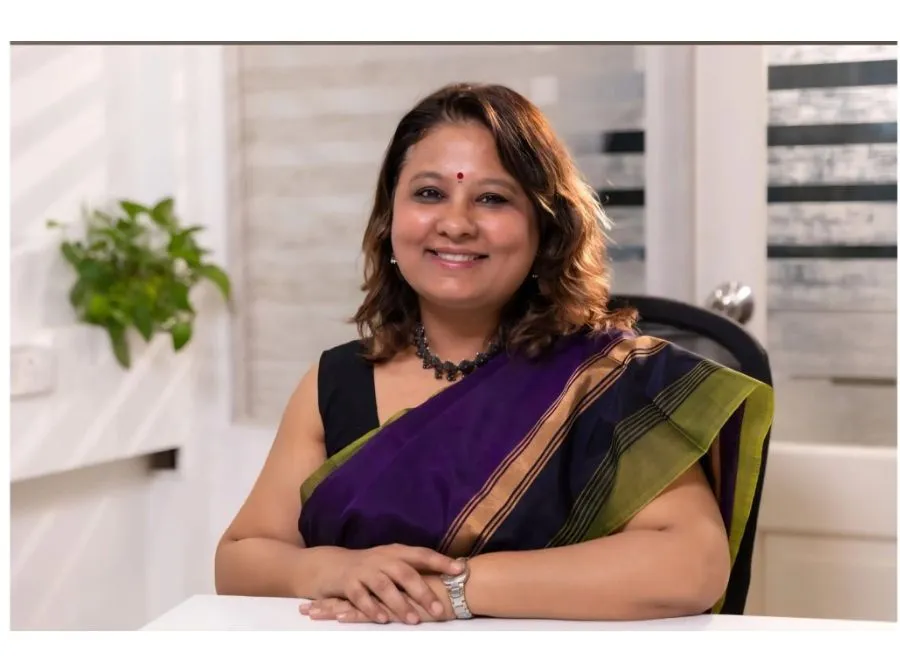
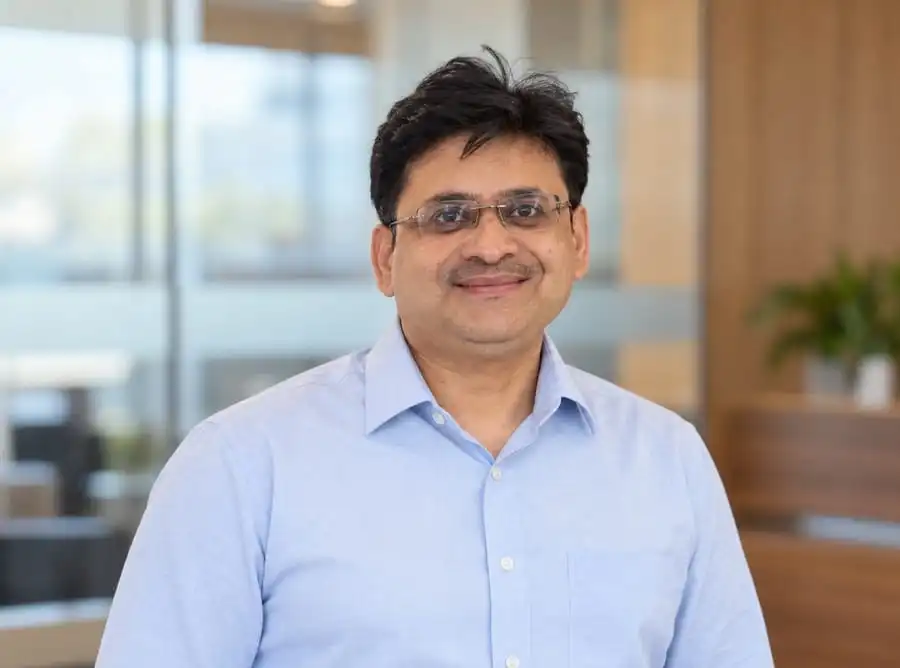
Sujata Deshmukh, Founder, Tutul Consulting
1. What inspired the founding of Tutul Consulting, and how has the organisation evolved since its inception?
I have always believed that people and organisations are capable of much more than they sometimes realise. But there is often a gap between what they aspire to do and what they actually achieve. What creates that gap, and how can we bridge it?
Before
founding Tutul seven years ago, I worked with over 400 companies as a
consultant. Those experiences helped me understand what enables people to
perform and what holds them back.
At
Tutul, we wish to breathe life into the finest aspirations of organisations and
their people. We have created unique, context-specific intellectual property to
help our clients achieve those aspirations. The name Tutul was my late father’s
name, and naming the organisation after him was a way of keeping that
connection alive.
Since
then, we have worked with around 100–110 clients across corporates, NGOs,
academic institutions and family businesses. Our focus is on institution
building, organisational culture and leadership development. For me, success is
about helping organisations build the capabilities to sustain change long after
our engagement ends.
2. What are the
most common challenges businesses face in leadership and organisational
development today?
Before founding Tutul seven years ago, I worked with over 400 companies as a consultant. Those experiences helped me understand what enables people to perform and what holds them back.
At Tutul, we wish to breathe life into the finest aspirations of organisations and their people. We have created unique, context-specific intellectual property to help our clients achieve those aspirations. The name Tutul was my late father’s name, and naming the organisation after him was a way of keeping that connection alive.
Since then, we have worked with around 100–110 clients across corporates, NGOs, academic institutions and family businesses. Our focus is on institution building, organisational culture and leadership development. For me, success is about helping organisations build the capabilities to sustain change long after our engagement ends.
2. What are the most common challenges businesses face in leadership and organisational development today?
Sometimes,
the performance problem isn’t the person. It’s the environment in which the
person is expected to perform.
I
have seen how organisational culture, established ways of working and unclear
expectations can affect people’s ability to do their jobs well. An organisation
may have talented people and an ambitious strategy, yet struggle because its
systems and behaviours don’t support the outcomes it wants.
Alignment
is another challenge. People bring different experiences and assumptions to
work, and these differences can either strengthen a team or create friction.
Then
there is change fatigue. Organisations are constantly adapting to new
technologies and business demands. We need to ask whether people understand why
these changes are happening and have the support to manage them.
Leadership
decisions also need greater structure. Success in one role doesn’t
automatically mean readiness for the next. We must look beyond past performance
to understand what future roles require and what might be preventing people
from reaching their potential.
3. How has the
approach to leadership development changed, and what do organisations need to
do differently today?
Sometimes, the performance problem isn’t the person. It’s the environment in which the person is expected to perform.
I have seen how organisational culture, established ways of working and unclear expectations can affect people’s ability to do their jobs well. An organisation may have talented people and an ambitious strategy, yet struggle because its systems and behaviours don’t support the outcomes it wants.
Alignment is another challenge. People bring different experiences and assumptions to work, and these differences can either strengthen a team or create friction.
Then there is change fatigue. Organisations are constantly adapting to new technologies and business demands. We need to ask whether people understand why these changes are happening and have the support to manage them.
Leadership decisions also need greater structure. Success in one role doesn’t automatically mean readiness for the next. We must look beyond past performance to understand what future roles require and what might be preventing people from reaching their potential.
3. How has the approach to leadership development changed, and what do organisations need to do differently today?
Organisations
have more leadership development options today, from training firms to
collaborations with business schools to online learning platforms. But I think
we need to ask a more important question: what changes when people return to
work?
A
leader may learn to delegate during a programme, but what if the organisation
still expects them to approve every decision? How much can that learning change
their behaviour?
The
real measure of a leader is not just what they achieve, but what they make
possible for others. Leadership is about impact on others.
This
is why leadership development must connect with organisational culture,
assessment and succession planning. We need to prepare people for the
challenges they will actually face and give them opportunities to apply what
they learn.
We
must also look beyond whether participants enjoyed a programme. Are they making
better decisions? Are their teams working differently? If the learning doesn’t
change the way the organisation works, we haven’t finished the job.
4. What role does
organisational culture play in driving business performance and employee
engagement?
Organisations have more leadership development options today, from training firms to collaborations with business schools to online learning platforms. But I think we need to ask a more important question: what changes when people return to work?
A leader may learn to delegate during a programme, but what if the organisation still expects them to approve every decision? How much can that learning change their behaviour?
The real measure of a leader is not just what they achieve, but what they make possible for others. Leadership is about impact on others.
This is why leadership development must connect with organisational culture, assessment and succession planning. We need to prepare people for the challenges they will actually face and give them opportunities to apply what they learn.
We must also look beyond whether participants enjoyed a programme. Are they making better decisions? Are their teams working differently? If the learning doesn’t change the way the organisation works, we haven’t finished the job.
4. What role does organisational culture play in driving business performance and employee engagement?
Your
strategy is what you say you want to achieve. Your culture determines what
people actually do to achieve it.
We
can talk about values, but what happens when a customer complains, two teams
disagree or an employee questions a senior leader? These everyday moments
reveal the culture people actually experience.
At
Tutul, I look at culture through three elements: consciousness, capability and
choices. Consciousness is about understanding the culture we want to build.
Capability is about developing the behaviours needed to support it. Choices are
about what leaders do when those behaviours are tested.
An
organisation may say transparency matters, but if leaders discourage
uncomfortable questions, what are employees learning?
Culture
must be operational, not aspirational. It needs to show up in everyday
decisions, relationships and ways of working. When culture supports business
strategy, it can strengthen collaboration, employee engagement and performance.
Your strategy is what you say you want to achieve. Your culture determines what people actually do to achieve it.
We can talk about values, but what happens when a customer complains, two teams disagree or an employee questions a senior leader? These everyday moments reveal the culture people actually experience.
At Tutul, I look at culture through three elements: consciousness, capability and choices. Consciousness is about understanding the culture we want to build. Capability is about developing the behaviours needed to support it. Choices are about what leaders do when those behaviours are tested.
An organisation may say transparency matters, but if leaders discourage uncomfortable questions, what are employees learning?
Culture must be operational, not aspirational. It needs to show up in everyday decisions, relationships and ways of working. When culture supports business strategy, it can strengthen collaboration, employee engagement and performance.
5. Many organisations invest in leadership training but struggle to translate learning into workplace improvements. Why?
I
think we sometimes confuse learning with change. They are related, but they are
not the same.
An
organisation may train leaders to empower their teams while continuing to
require senior approval for every important decision. The leader is being asked
to change, but the environment rewards the old behaviour.
Unwritten
rules reward the old way, and the old way wins.
This
is why we need to look at both the individual and the organisation. Does the
person have the skills to change? Do they understand why the change matters?
And does the workplace allow them to apply what they have learnt?
We
also need to look beyond immediate feedback after training. What has changed
over the next six to twelve months? Are people making better decisions? What is
preventing them from applying their learning?
A
programme is only one part of the process. Lasting change requires an
environment where new behaviours can be practised, supported and sustained.
I think we sometimes confuse learning with change. They are related, but they are not the same.
An organisation may train leaders to empower their teams while continuing to require senior approval for every important decision. The leader is being asked to change, but the environment rewards the old behaviour.
Unwritten rules reward the old way, and the old way wins.
This is why we need to look at both the individual and the organisation. Does the person have the skills to change? Do they understand why the change matters? And does the workplace allow them to apply what they have learnt?
We also need to look beyond immediate feedback after training. What has changed over the next six to twelve months? Are people making better decisions? What is preventing them from applying their learning?
A programme is only one part of the process. Lasting change requires an environment where new behaviours can be practised, supported and sustained.
6. How can organisations ensure their leadership teams are aligned with their business goals and long-term vision?
I
sometimes wonder whether what organisations call alignment is always genuine.
Everyone may agree in a meeting, but have they actually discussed their
differences?
Dynamics
at the top are inevitable. The important thing is to work through them
proactively and consciously, with the board supporting positive outcomes.
Leaders
must be able to challenge assumptions and disagree without fearing that their
views will be held against them. Different strengths and perspectives can help
a team make better decisions, provided people know how to work through their
differences.
A
shared framework of what is expected and what is non-negotiable can make a
measurable difference. It gives leaders clarity about their responsibilities,
the behaviours expected of them and the boundaries they must respect.
Alignment
isn’t about making everyone think alike. It’s about creating enough trust and
clarity for leaders to make decisions together and take collective
responsibility for the outcomes.
I sometimes wonder whether what organisations call alignment is always genuine. Everyone may agree in a meeting, but have they actually discussed their differences?
Dynamics at the top are inevitable. The important thing is to work through them proactively and consciously, with the board supporting positive outcomes.
Leaders must be able to challenge assumptions and disagree without fearing that their views will be held against them. Different strengths and perspectives can help a team make better decisions, provided people know how to work through their differences.
A shared framework of what is expected and what is non-negotiable can make a measurable difference. It gives leaders clarity about their responsibilities, the behaviours expected of them and the boundaries they must respect.
Alignment isn’t about making everyone think alike. It’s about creating enough trust and clarity for leaders to make decisions together and take collective responsibility for the outcomes.
7. What are some of the biggest challenges organisations face when managing change, and how can they navigate these transitions more effectively?
There
is an old saying: the only one who enjoys change is a wet baby. We tend to
prefer what is familiar, and people can become attached to the ways their
organisations have always worked.
I
often use six elements to explain successful change: vision, skills, resources,
incentives, an action plan and speed. When these are missing, people may
experience confusion, anxiety or resistance.
The
leader’s temperament and response to change also influence how the team
responds. But there is a danger in placing too much responsibility on one
leader to champion the entire transition. The person leading change can become
fatigued, while the rest of the organisation waits for them to make everything
happen.
This
is why I emphasise visualising and mobilising. People need to understand where
the organisation wants to go and why, but they also need to share
responsibility for getting there.
Leaders
must communicate honestly, listen to concerns and create the conditions for
people to participate. Change becomes more sustainable when it is a collective
effort rather than the responsibility of a single champion.
There is an old saying: the only one who enjoys change is a wet baby. We tend to prefer what is familiar, and people can become attached to the ways their organisations have always worked.
I often use six elements to explain successful change: vision, skills, resources, incentives, an action plan and speed. When these are missing, people may experience confusion, anxiety or resistance.
The leader’s temperament and response to change also influence how the team responds. But there is a danger in placing too much responsibility on one leader to champion the entire transition. The person leading change can become fatigued, while the rest of the organisation waits for them to make everything happen.
This is why I emphasise visualising and mobilising. People need to understand where the organisation wants to go and why, but they also need to share responsibility for getting there.
Leaders must communicate honestly, listen to concerns and create the conditions for people to participate. Change becomes more sustainable when it is a collective effort rather than the responsibility of a single champion.
8. How can organisations build a strong leadership pipeline and prepare employees for greater responsibilities?
Succession
planning raises an important question: are we choosing someone because they
perform well today, or because they have the capabilities needed for the role
ahead?
Organisations
need to be deliberate and take a long-term view. They must understand what
future roles require, assess candidates against those needs and provide
opportunities to develop.
They
must also be open to new leadership archetypes rather than seeking to replicate
the existing leader. The next leader may need different strengths to take the
organisation forward.
Enterprise
thinking matters, too. A potential leader must be able to look beyond their own
function and understand how their decisions affect the wider organisation.
At
Tutul Consulting,
our Leadership Mirror helps assess individuals from multiple perspectives,
including their readiness for future roles and the support they need to
succeed.
A
strong leadership pipeline is built through continuous assessment and
development, not simply by identifying names when a vacancy arises.
Succession planning raises an important question: are we choosing someone because they perform well today, or because they have the capabilities needed for the role ahead?
Organisations need to be deliberate and take a long-term view. They must understand what future roles require, assess candidates against those needs and provide opportunities to develop.
They must also be open to new leadership archetypes rather than seeking to replicate the existing leader. The next leader may need different strengths to take the organisation forward.
Enterprise thinking matters, too. A potential leader must be able to look beyond their own function and understand how their decisions affect the wider organisation.
At Tutul Consulting, our Leadership Mirror helps assess individuals from multiple perspectives, including their readiness for future roles and the support they need to succeed.
A strong leadership pipeline is built through continuous assessment and development, not simply by identifying names when a vacancy arises.
9. What emerging workplace trends are likely to influence leadership and organisational development in the coming years?
As
AI becomes more integrated into work, I think we need to pay even closer
attention to what we expect from leaders as human beings.
Technology
can process information and identify patterns quickly. But what happens when
the context is complicated or a decision affects people in ways that data alone
cannot capture?
Leadership
still requires judgement, curiosity and ethical thinking. These capabilities
become even more important as technology takes on more tasks.
Employee
expectations are changing, too. People increasingly value purpose, flexibility,
transparency and opportunities to learn. Every leader, not just HR, has a role
in helping people grow.
I
also see Indian organisations becoming more professional while creating
stronger learning opportunities and more entrepreneurial cultures.
We
should be careful about explaining every workplace challenge through
generational differences. Many expectations overlap: people want to feel
respected, understand their contribution and have opportunities to develop.
Technology
will change how we work. The challenge is to ensure that we continue to develop
the human judgement needed to make good decisions.
As AI becomes more integrated into work, I think we need to pay even closer attention to what we expect from leaders as human beings.
Technology can process information and identify patterns quickly. But what happens when the context is complicated or a decision affects people in ways that data alone cannot capture?
Leadership still requires judgement, curiosity and ethical thinking. These capabilities become even more important as technology takes on more tasks.
Employee expectations are changing, too. People increasingly value purpose, flexibility, transparency and opportunities to learn. Every leader, not just HR, has a role in helping people grow.
I also see Indian organisations becoming more professional while creating stronger learning opportunities and more entrepreneurial cultures.
We should be careful about explaining every workplace challenge through generational differences. Many expectations overlap: people want to feel respected, understand their contribution and have opportunities to develop.
Technology will change how we work. The challenge is to ensure that we continue to develop the human judgement needed to make good decisions.
10. What is one key piece of advice you would offer organisations looking to strengthen their leadership capabilities and overall effectiveness?
I
would encourage organisations to ask themselves two questions: What does my
business need, and what lies beneath?
It
is tempting to copy what successful organisations are doing. But benchmarks
cannot tell us everything about our own challenges.
An
organisation may believe it has a performance problem when the real difficulty
lies in how decisions are made, how authority is distributed or how teams work
together. If we address only what is visible, we may end up treating the
symptoms rather than understanding the problem.
We
need to ask better questions. What is influencing people’s behaviour? Where are
decisions getting stuck? Are there unresolved tensions that people are
reluctant to discuss?
There
is no universal solution to organisational effectiveness. We must first
understand where the organisation stands, what it wants to achieve and what is
getting in the way. Only then can we make better choices about what needs to
change.
I would encourage organisations to ask themselves two questions: What does my business need, and what lies beneath?
It is tempting to copy what successful organisations are doing. But benchmarks cannot tell us everything about our own challenges.
An organisation may believe it has a performance problem when the real difficulty lies in how decisions are made, how authority is distributed or how teams work together. If we address only what is visible, we may end up treating the symptoms rather than understanding the problem.
We need to ask better questions. What is influencing people’s behaviour? Where are decisions getting stuck? Are there unresolved tensions that people are reluctant to discuss?
There is no universal solution to organisational effectiveness. We must first understand where the organisation stands, what it wants to achieve and what is getting in the way. Only then can we make better choices about what needs to change.