STARTUP
Unstop's Ankit Aggarwal on Leading Major Corporate Talent Competitions Like Tata Crucible, Amazon ACE, HUL LIME and Adobe Hackathon
Ankit Aggarwal is the Founder & CEO of Unstop, India’s largest Early Talent Community Engagement & Hiring Platform, connecting 32 million+ students with 35,000+ employers, and is focused on democratising opportunities through skill-first hiring and AI-powered talent solutions.
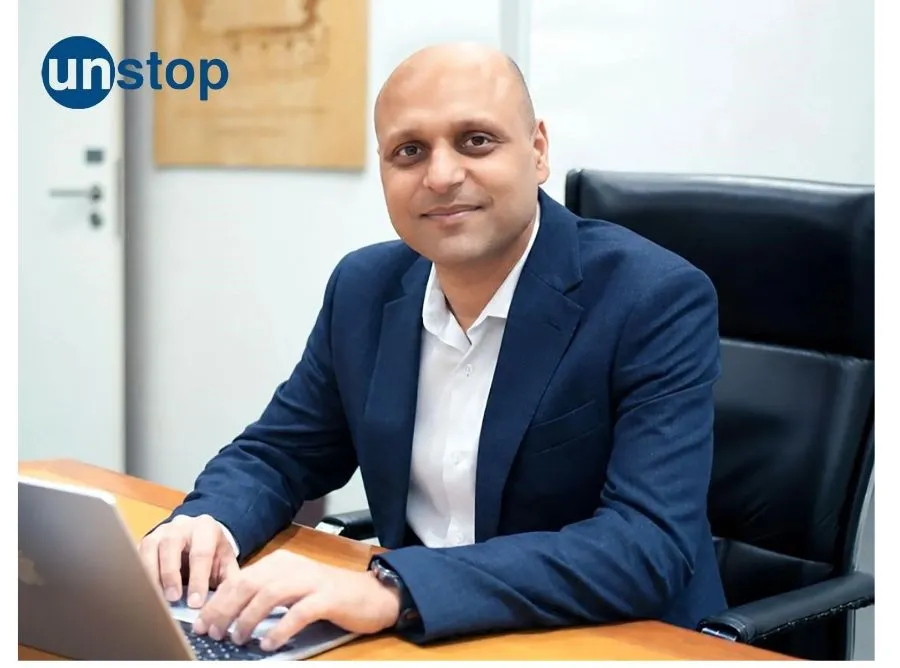
Ankit Aggarwal, Founder & CEO, Unstop
1. What makes a student stand out in a competition when thousands of others are competing for the same opportunity?
When thousands, and sometimes lakhs, of students participate in a
competition, what ultimately makes someone stand out is their ability to
understand the problem and develop a strong, relevant solution. Employers are
essentially looking for exceptional talent within a very large pool of
participants. They design case studies and challenges to identify students who
can apply their knowledge, think critically and solve problems effectively.
For students, the opportunity is equally significant. Many of
these companies may never visit their campuses for recruitment. Competitions
allow them to demonstrate their abilities directly to employers who might
otherwise remain inaccessible. It creates value for both sides: companies
discover capable talent, while students gain an opportunity to be recognised
for their skills rather than simply their academic background.
When thousands, and sometimes lakhs, of students participate in a competition, what ultimately makes someone stand out is their ability to understand the problem and develop a strong, relevant solution. Employers are essentially looking for exceptional talent within a very large pool of participants. They design case studies and challenges to identify students who can apply their knowledge, think critically and solve problems effectively.
For students, the opportunity is equally significant. Many of these companies may never visit their campuses for recruitment. Competitions allow them to demonstrate their abilities directly to employers who might otherwise remain inaccessible. It creates value for both sides: companies discover capable talent, while students gain an opportunity to be recognised for their skills rather than simply their academic background.
2. What are companies really looking for through competitions like Tata Crucible, HUL LIME and Amazon ACE that they may not find on a resume?
A résumé provides an overview of someone's qualifications and
experiences, but employers increasingly want evidence that candidates have
applied their knowledge beyond academics. This could involve working on
projects, participating in competitions, contributing to college clubs and
committees or taking initiatives that demonstrate practical skills.
For instance, if I were hiring a digital marketing associate, I
would not be satisfied with knowing that the candidate has a degree in
marketing. I would want to understand whether they have actually created or
executed a marketing project. That practical experience tells me something more
meaningful about their capabilities.
Competitions help employers examine this dimension by giving
candidates specific problems to solve. They can see how students approach
challenges, structure their thinking and translate knowledge into solutions
rather than relying entirely on what is listed on their résumés.
A résumé provides an overview of someone's qualifications and experiences, but employers increasingly want evidence that candidates have applied their knowledge beyond academics. This could involve working on projects, participating in competitions, contributing to college clubs and committees or taking initiatives that demonstrate practical skills.
For instance, if I were hiring a digital marketing associate, I would not be satisfied with knowing that the candidate has a degree in marketing. I would want to understand whether they have actually created or executed a marketing project. That practical experience tells me something more meaningful about their capabilities.
Competitions help employers examine this dimension by giving candidates specific problems to solve. They can see how students approach challenges, structure their thinking and translate knowledge into solutions rather than relying entirely on what is listed on their résumés.
3. Do these competitions help companies discover talent they might otherwise miss during regular campus hiring?
Absolutely. In fact, that is one of the biggest reasons corporate
competitions have become such an effective talent-discovery mechanism.
Traditional campus recruitment is often limited by geography and
institutional relationships. A company may visit a fixed number of colleges,
which means talented students at other institutions may never get an
opportunity to interact with that employer.
Competitions help remove this geographical barrier. A student from
a Tier III town can work on the same problem statement and potentially be
evaluated by the same jury as someone studying at a leading institution.
This changes the fundamental approach to talent discovery. Instead
of restricting recruitment to a familiar set of campuses, companies can
identify candidates based on how well they perform. The objective becomes
finding the best talent, not simply recruiting from the best-known
institutions.
Absolutely. In fact, that is one of the biggest reasons corporate competitions have become such an effective talent-discovery mechanism.
Traditional campus recruitment is often limited by geography and institutional relationships. A company may visit a fixed number of colleges, which means talented students at other institutions may never get an opportunity to interact with that employer.
Competitions help remove this geographical barrier. A student from a Tier III town can work on the same problem statement and potentially be evaluated by the same jury as someone studying at a leading institution.
This changes the fundamental approach to talent discovery. Instead of restricting recruitment to a familiar set of campuses, companies can identify candidates based on how well they perform. The objective becomes finding the best talent, not simply recruiting from the best-known institutions.
4. What do students often get wrong when participating in corporate competitions, even when they have strong ideas?
One of the most common mistakes is becoming too attached to an
idea without examining whether it can actually work. This is not limited to
students. Entrepreneurs, founders and managers can make the same mistake.
A strong idea must be evaluated against practical constraints. Is
it financially viable? Can it be implemented within the available budget and
timeline? Does it address a genuine customer problem? Will the proposed
solution create measurable value for the organisation?
Students sometimes spend too much time making their presentations
visually impressive and not enough time testing the feasibility of their
solutions.
Communication is equally important. Participants should be able to
explain the problem, articulate their proposed solution, demonstrate its
potential impact and establish the expected return on investment.
A winning submission is not necessarily the one with the most
elaborate presentation. It is the one that combines a strong idea with
practical feasibility, clear reasoning and effective communication.
One of the most common mistakes is becoming too attached to an idea without examining whether it can actually work. This is not limited to students. Entrepreneurs, founders and managers can make the same mistake.
A strong idea must be evaluated against practical constraints. Is it financially viable? Can it be implemented within the available budget and timeline? Does it address a genuine customer problem? Will the proposed solution create measurable value for the organisation?
Students sometimes spend too much time making their presentations visually impressive and not enough time testing the feasibility of their solutions.
Communication is equally important. Participants should be able to explain the problem, articulate their proposed solution, demonstrate its potential impact and establish the expected return on investment.
A winning submission is not necessarily the one with the most elaborate presentation. It is the one that combines a strong idea with practical feasibility, clear reasoning and effective communication.
5. How has the way companies identify young talent changed over the last five years?
The biggest change has been the democratisation of access to
opportunities. Earlier, campus hiring was largely concentrated around selected
institutions and traditional placement cycles. Today, companies have more ways
to discover talent beyond those established channels.
Academic qualifications and institutional reputation still have
relevance, but employers are increasingly interested in proof of skill. They
want to see whether a candidate can write code, execute a project, solve a
business case or demonstrate practical capabilities.
Another important development is that companies are engaging
students much earlier in their academic journeys. Instead of waiting until the
final placement season, organisations are building relationships with students
in their first, second and third years through competitions, simulations and
project-based challenges.
This allows employers to identify promising candidates early,
understand their abilities over time and create stronger connections before
formal recruitment begins.
The biggest change has been the democratisation of access to opportunities. Earlier, campus hiring was largely concentrated around selected institutions and traditional placement cycles. Today, companies have more ways to discover talent beyond those established channels.
Academic qualifications and institutional reputation still have relevance, but employers are increasingly interested in proof of skill. They want to see whether a candidate can write code, execute a project, solve a business case or demonstrate practical capabilities.
Another important development is that companies are engaging students much earlier in their academic journeys. Instead of waiting until the final placement season, organisations are building relationships with students in their first, second and third years through competitions, simulations and project-based challenges.
This allows employers to identify promising candidates early, understand their abilities over time and create stronger connections before formal recruitment begins.
6. From business case studies to coding challenges, what do these competitions reveal about how students think and solve real-world problems?
I believe effective problem-solving involves three fundamental
abilities: understanding a problem, developing a logical solution and
communicating that solution clearly.
The first is comprehension. Can a student understand what the
problem actually requires? The second is analytical thinking. Can they break a
complex challenge into smaller components, identify priorities and develop a
workable solution? The third is communication. Can they explain their reasoning
and recommendations in a way that others understand?
Competitions bring these capabilities together. A business case or
coding challenge often presents participants with a problem that does not have
an immediately obvious answer. Students must structure their thinking, evaluate
different approaches and arrive at a solution.
This resembles how problems arise in professional environments.
Employers gain insight into how candidates think and work through challenges,
rather than simply how much information they can recall in an examination.
I believe effective problem-solving involves three fundamental abilities: understanding a problem, developing a logical solution and communicating that solution clearly.
The first is comprehension. Can a student understand what the problem actually requires? The second is analytical thinking. Can they break a complex challenge into smaller components, identify priorities and develop a workable solution? The third is communication. Can they explain their reasoning and recommendations in a way that others understand?
Competitions bring these capabilities together. A business case or coding challenge often presents participants with a problem that does not have an immediately obvious answer. Students must structure their thinking, evaluate different approaches and arrive at a solution.
This resembles how problems arise in professional environments. Employers gain insight into how candidates think and work through challenges, rather than simply how much information they can recall in an examination.
7. Are students from smaller colleges getting the same opportunities as those from India's top institutions? What more needs to change?
Access to opportunities has improved significantly, particularly
through digital competitions and hackathons. Earlier, a student at a smaller
institution might have had little chance of interacting with a major employer
unless that company visited their campus.
Today, open competitions allow students from different colleges
and cities to participate in the same challenges and move through a common
evaluation process. A candidate from a lesser-known institution can demonstrate
their skills alongside students from some of India's most prestigious colleges.
However, creating access is only part of the solution. We also
need to build students' confidence and strengthen their ability to think
critically, solve problems and communicate effectively.
I believe this development needs to begin much earlier, at the
school level. Our education system should encourage students to question,
analyse and work through problems rather than focusing predominantly on finding
predetermined answers.
The larger goal should be to ensure that a student's institution
or geographical background does not prevent their abilities from being
recognised.
Access to opportunities has improved significantly, particularly through digital competitions and hackathons. Earlier, a student at a smaller institution might have had little chance of interacting with a major employer unless that company visited their campus.
Today, open competitions allow students from different colleges and cities to participate in the same challenges and move through a common evaluation process. A candidate from a lesser-known institution can demonstrate their skills alongside students from some of India's most prestigious colleges.
However, creating access is only part of the solution. We also need to build students' confidence and strengthen their ability to think critically, solve problems and communicate effectively.
I believe this development needs to begin much earlier, at the school level. Our education system should encourage students to question, analyse and work through problems rather than focusing predominantly on finding predetermined answers.
The larger goal should be to ensure that a student's institution or geographical background does not prevent their abilities from being recognised.
8. With AI changing the skills companies need, how are competitions like the Amazon ML Challenge and Adobe Hackathon evolving?
AI is changing both the complexity of challenges and the
capabilities employers expect participants to demonstrate.
We are moving towards an environment that resembles an open-book
examination, where access to tools and information is not necessarily the
differentiating factor. Students can use AI to assist with coding, research and
developing solutions, but they still need to understand the problem and think
critically about the output.
As these tools become more capable, challenges can become more
open-ended and demanding. The emphasis shifts towards how effectively someone
can use technology to build a better product or solve a more complex problem.
This is particularly important in coding. AI can help generate
code, but strong developers still need to understand architecture, identify
limitations, evaluate solutions and make decisions that technology cannot
independently validate.
The distinction between someone who can use an AI tool and someone
who can apply strong technical judgement alongside that tool is becoming
increasingly important. Corporate competitions provide employers with an
opportunity to assess this difference.
AI is changing both the complexity of challenges and the capabilities employers expect participants to demonstrate.
We are moving towards an environment that resembles an open-book examination, where access to tools and information is not necessarily the differentiating factor. Students can use AI to assist with coding, research and developing solutions, but they still need to understand the problem and think critically about the output.
As these tools become more capable, challenges can become more open-ended and demanding. The emphasis shifts towards how effectively someone can use technology to build a better product or solve a more complex problem.
This is particularly important in coding. AI can help generate code, but strong developers still need to understand architecture, identify limitations, evaluate solutions and make decisions that technology cannot independently validate.
The distinction between someone who can use an AI tool and someone who can apply strong technical judgement alongside that tool is becoming increasingly important. Corporate competitions provide employers with an opportunity to assess this difference.
9. What makes companies bring back competitions year after year, and how do they know these initiatives are actually working?
Like any business initiative, corporate competitions need to
deliver measurable value. Companies evaluate whether these programmes are
helping them reach the right audience, generate meaningful participation and
discover relevant talent.
Several indicators matter. Are registrations growing? Is the
programme reaching more colleges and students from different backgrounds? Are
participants demonstrating the capabilities employers are looking for? Is the
competition helping the organisation identify candidates who could become
strong hires?
Employer visibility is another important consideration.
Competitions allow companies to engage young talent, introduce them to the
organisation and build relationships before students formally enter the
recruitment process.
When organisations see stronger participation, broader campus
reach, better talent discovery and meaningful hiring outcomes, they have
compelling reasons to continue these initiatives.
We have seen many programmes on Unstop return year after year because they provide value beyond the
competition itself. They become an ongoing channel for employer engagement and
talent discovery.
Like any business initiative, corporate competitions need to deliver measurable value. Companies evaluate whether these programmes are helping them reach the right audience, generate meaningful participation and discover relevant talent.
Several indicators matter. Are registrations growing? Is the programme reaching more colleges and students from different backgrounds? Are participants demonstrating the capabilities employers are looking for? Is the competition helping the organisation identify candidates who could become strong hires?
Employer visibility is another important consideration. Competitions allow companies to engage young talent, introduce them to the organisation and build relationships before students formally enter the recruitment process.
When organisations see stronger participation, broader campus reach, better talent discovery and meaningful hiring outcomes, they have compelling reasons to continue these initiatives.
We have seen many programmes on Unstop return year after year because they provide value beyond the competition itself. They become an ongoing channel for employer engagement and talent discovery.
10. After seeing thousands of students participate in these challenges, what has surprised you most about India's young talent?
What continues to surprise me is the extraordinary ability that
exists outside the institutions and locations traditionally associated with top
talent. We have seen students from smaller towns and lesser-known colleges,
sometimes with limited resources and little access to formal coaching,
outperform participants who have had considerably greater advantages.
Many of these students demonstrate a remarkable willingness to
learn, an ability to work through complex problems and a strong determination
to prove themselves. Their capabilities are not necessarily limited by their
circumstances, but their access to opportunities and confidence can be. That
has reinforced one of my strongest beliefs about talent discovery: ability is
far more widely distributed than opportunity.
Through Unstop, our focus is on helping bridge that gap by
creating opportunities for students to demonstrate what they can do, regardless
of where they come from. Ultimately, India's challenge is not a shortage of
capable young people. It is ensuring that we create enough opportunities to
discover, develop and recognise their potential.
What continues to surprise me is the extraordinary ability that exists outside the institutions and locations traditionally associated with top talent. We have seen students from smaller towns and lesser-known colleges, sometimes with limited resources and little access to formal coaching, outperform participants who have had considerably greater advantages.
Many of these students demonstrate a remarkable willingness to learn, an ability to work through complex problems and a strong determination to prove themselves. Their capabilities are not necessarily limited by their circumstances, but their access to opportunities and confidence can be. That has reinforced one of my strongest beliefs about talent discovery: ability is far more widely distributed than opportunity.
Through Unstop, our focus is on helping bridge that gap by creating opportunities for students to demonstrate what they can do, regardless of where they come from. Ultimately, India's challenge is not a shortage of capable young people. It is ensuring that we create enough opportunities to discover, develop and recognise their potential.